Iran War Live: Tehran Rejects Talks Under Threats as Trump Maintains
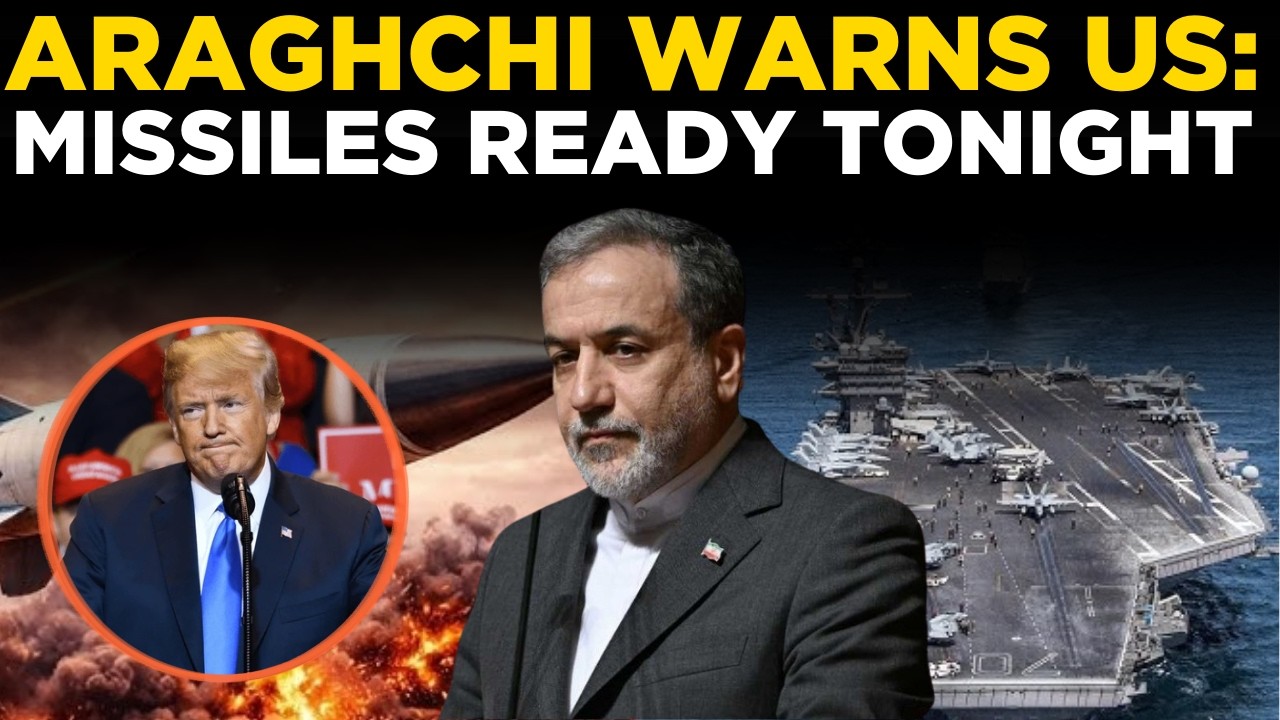
The **US-Israel war on Iran** has reached a critical juncture, with **Tehran** refusing to engage in negotiations 'under the shadow of threats'. Meanwhile, **US
Summary
The **US-Israel war on Iran** has reached a critical juncture, with **Tehran** refusing to engage in negotiations 'under the shadow of threats'. Meanwhile, **US President Donald Trump** has announced that the **blockade on Iranian ports** will remain in place until **Iran** agrees to a deal. This development has significant implications for the region, with **Iran**'s economy already under strain due to the ongoing conflict. The **Strait of Hormuz**, a critical waterway for international trade, remains a key point of contention. As the situation continues to unfold, **diplomatic efforts** to end the war are becoming increasingly uncertain. For more information on the **US-Iran conflict**, visit our [[iran-us-relations|US-Iran relations]] page. To understand the impact of the war on the global economy, check out our [[global-economy|global economy]] page.
Key Takeaways
- The US and Iran are engaged in a conflict with significant regional and global implications
- The blockade on Iranian ports has severe humanitarian consequences
- Diplomatic efforts are necessary to find a peaceful resolution to the conflict
- The International Community must take immediate action to prevent further escalation
- The conflict has the potential to destabilize the Middle East and lead to a global economic downturn
Balanced Perspective
The current situation is complex and multifaceted, with various factors at play. **Iran**'s refusal to negotiate under threat is understandable, given the country's history of being subjected to **economic sanctions** and **military interventions**. On the other hand, **Trump**'s decision to maintain the blockade is likely driven by a desire to exert pressure on **Iran** to comply with **US demands**. As the situation continues to unfold, it is essential to consider the perspectives of all parties involved and to seek a nuanced understanding of the conflict. For more information on **US foreign policy**, visit our [[us-foreign-policy|US foreign policy]] page. To understand the impact of **economic sanctions** on Iran, check out our [[iran-economy|Iran economy]] page.
Optimistic View
Despite the current impasse, there are still opportunities for **diplomatic breakthroughs**. **European leaders**, such as **German Chancellor Angela Merkel**, have expressed a willingness to engage in talks with **Iran** to find a peaceful resolution to the conflict. Additionally, **China** and **Russia** have also offered to mediate the conflict, which could provide a much-needed boost to diplomatic efforts. For more information on **European foreign policy**, visit our [[european-union|European Union]] page. To understand the role of **China** and **Russia** in international diplomacy, check out our [[china-russia-relations|China-Russia relations]] page.
Critical View
The ongoing conflict between the **US** and **Iran** has the potential to escalate into a full-blown war, with devastating consequences for the region and the world. **Trump**'s refusal to lift the blockade, combined with **Iran**'s refusal to negotiate under threat, has created a dangerous stalemate. The **International Community** must take immediate action to prevent further escalation and to find a peaceful resolution to the conflict. For more information on the **consequences of war**, visit our [[war-consequences|war consequences]] page. To understand the role of the **International Community** in conflict resolution, check out our [[international-community|International Community]] page.
Source
Originally reported by Al Jazeera